Little Scaredy Cat
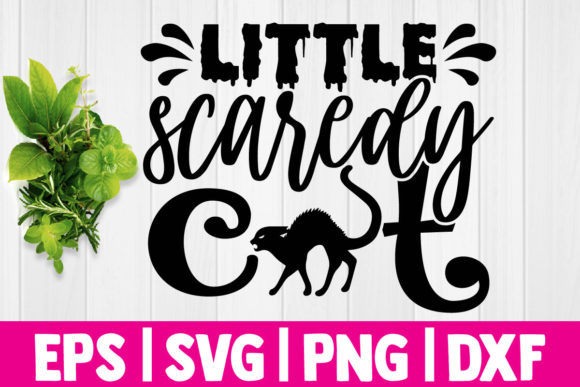
As a designer and embroidery product reviewer, I always start by looking at the mood and visual personality of a design before considering its practical use. Little Scaredy Cat has a whimsical, slightly spooky vibe that feels perfect for playful projects. The cat’s wide eyes and exaggerated expressions give it a charming, almost animated look that could work well on custom apparel, baby items, or holiday gifts.
First Impressions: A Whimsical Design with Potential
Little Scaredy Cat immediately catches the eye with its bold outlines and expressive features. The shape is clean and recognizable, making it easy to adapt for different embroidery sizes. The layout is balanced, with enough detail to be interesting but not so dense that it becomes overwhelming. This makes it ideal for projects where clarity and simplicity are key, like embroidered patches or tote bags.
The theme is light-hearted and fun, which means it could fit into a variety of markets—whether you're targeting kids, pet lovers, or fans of quirky designs. It's not too scary, but it does have that “little bit spooky” edge that adds character without being off-putting.
Real-Life Use: What Works and What Doesn’t
I tested Little Scaredy Cat on a few different fabrics and found that it works best on medium-weight materials like cotton or canvas. On thinner or stretchy fabrics, the details can sometimes get lost, especially if the stitch density isn’t right. For example, when I tried it on a lightweight t-shirt, the fine lines didn’t show up as clearly as they should have. That’s something to keep in mind if you’re planning to use this on thin or stretchy garments.
For custom apparel, like sweatshirts or tote bags, the design holds up well. The stitch patterns—likely a mix of satin and fill stitches—create a smooth, polished look. However, if you're working with textured fabrics, such as linen or felt, the design might not sit as flat as you’d like. In those cases, using a good stabilizer is essential to prevent puckering or distortion.
Where to Use Carefully
There are a few scenarios where Little Scaredy Cat might not be the best choice. If you're planning to use it on small hoop sizes, you may need to adjust the design or split it into sections. The same goes for curved surfaces like caps or hats, where the design might not align perfectly without some tweaking.
Also, if you're working with dark fabrics, make sure the thread colors contrast well. If the design uses light-colored threads, they might not show up as intended on black or navy backgrounds. Similarly, if you're doing an applique design, check that the edges are sharp and won’t fray after stitching.
Visual Appeal and Customer Perception
When it comes to visual appeal, Little Scaredy Cat has a lot going for it. Its simple yet distinctive look makes it instantly recognizable, which is great for branding or handmade products. Customers often respond positively to designs that feel unique and personal, and this one definitely has that quality.
In terms of product value, this design could add a nice touch to a range of items. Whether it's a personalized gift, a boutique product, or a digital download for craft businesses, it offers a level of detail that feels professional. However, it's important to remember that the success of any embroidery project depends on how well the design translates to the final product.
Practical Designer Notes
Before committing to a project, I always recommend testing the design on scrap fabric. This helps you see how the stitches look in real life and whether the thread colors work with your chosen fabric. It also gives you a chance to adjust the hoop size if needed.
If you're using this for commercial purposes, double-check the licensing terms. Make sure you’re allowed to sell finished products or resell the digital file. Also, consider how the design will look in black and white mockups—this is especially important if you're creating printable mockups for Etsy listings or social media.
Another thing to keep in mind is stitch density. If the design is too dense, it might cause the fabric to pucker or the stitches to look too heavy. Conversely, if it's too sparse, the details might not come through clearly. Finding the right balance is key to a successful embroidery project.
Best Fits for Little Scaredy Cat
This design shines on items that allow for clear, visible embroidery. Tote bags, sweatshirts, and aprons are all great options. It also works well for baby items, like onesies or blankets, where the cute, slightly spooky look can add a fun twist.
For holiday or seasonal projects, Little Scaredy Cat could be a hit. Imagine it on a Halloween-themed pillow or a festive mug. It’s also a solid choice for personalized gifts, like embroidered patches or custom caps. Just be sure to test it on the fabric you plan to use.
Overall, Little Scaredy Cat is a versatile design that can fit into a variety of embroidery projects. As long as you take the time to test it and adjust for your specific needs, it can be a valuable addition to your design assets.